Birthstone Meaning & Jewelry Guide
Birthstones have long been associated with birth months, but the way people wear them today is far more personal.
For some, a birthstone reflects identity. For others, it marks a moment, a connection, or simply a color that feels right. Modern birthstone jewelry isn’t about rules or tradition alone. It’s about choosing something that feels meaningful and easy to wear.
This guide offers an introduction to birthstones, what they traditionally represent, and how people choose birthstone jewelry today.
Explore our Birthstone Necklace Collection

What Is a Birthstone?
A birthstone is a gemstone traditionally associated with a specific month of the year.
Each month has one or more stones linked to it through long-standing custom. Over time, these stones became connected with certain qualities or themes, often reflecting the season, color, or cultural associations of the time.
Today, birthstones are best understood as a starting point rather than a prescription.
Explore Birthstone Meanings by Month
Each month carries its own traditional associations and color stories. The most meaningful interpretation is often the one that resonates with you.
January — Garnet (Deep Red)
Traditional stone: Garnet
Associated color: Deep red
Garnet is traditionally associated with grounding, protection, and enduring connection. Its deep red tone has long been valued for warmth and richness.
Many people choose garnet itself, while others prefer jewelry in similar deep red hues as a modern interpretation.
Learn More: January Birthstone Meaning
February — Amethyst (Purple)
Traditional stone: Amethyst
Associated color: Purple
Amethyst has traditionally been associated with clarity, balance, and reflection. Its soft purple tone feels calm and understated.
Many people choose purple stones or accents that echo the traditional color rather than the stone itself.
Learn More: February Birthstone Meaning
March — Aquamarine (Light Blue)
Traditional stone: Aquamarine
Associated color: Pale blue
Aquamarine is traditionally linked to calm, clarity, and flow. Its light blue tone feels fresh and gentle.
Some wear aquamarine itself, while others choose stones in similar pale blue hues.
Learn More: March Birthstone Meaning
April — Diamond (Clear / White)
Traditional stone: Diamond
Associated color: Clear or white
Diamonds are traditionally associated with strength, resilience, and clarity.
For everyday wear, many people choose clear or white stones that reflect light without the formality of a traditional diamond.
Learn More: April Birthstone Meaning
May — Emerald (Green)
Traditional stone: Emerald
Associated color: Green
Emeralds are traditionally associated with growth, renewal, and continuity.
Many people interpret May’s birthstone through green-toned stones rather than the emerald itself.
Learn More: May Birthstone Meaning
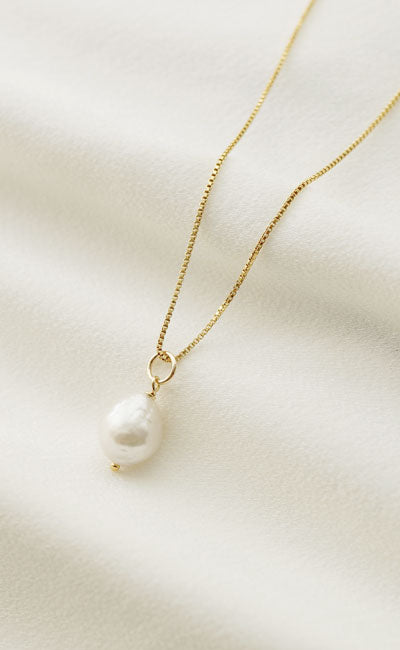
June — Pearl, Moonstone, Alexandrite (Soft Neutrals / Iridescence)
Traditional stones: Pearl (traditional), Moonstone, Alexandrite (modern)
Associated colors: Soft white, iridescent, shifting tones
Pearls are associated with calm and continuity, while alexandrite reflects balance and adaptability. Moonstone is associated with new beginnings and intuition.
June is often interpreted through luminous neutrals or subtly shifting tones.
Learn More: June Birthstone Meaning

July — Ruby (Red)
Traditional stone: Ruby
Associated color: Red
Rubies are traditionally associated with vitality, presence, and protection.
Many choose red-toned stones that carry the same emotional weight in a more understated form.
Learn More: July Birthstone Meaning
August — Peridot, Spinel (Green or Mixed Tones)
Traditional stones: Peridot (traditional), Spinel (modern)
Associated colors: Green and varied hues
Peridot is associated with prosperity, protection, and emotional healing. Green color tone jewelry is also often chosen for August as birth month jewelry.
Learn More: August Birthstone Meaning
September — Sapphire (Blue)
Traditional stone: Sapphire
Associated color: Blue
Sapphires are traditionally associated with wisdom, clarity, and stability.
Blue-toned stones are often chosen for everyday wear as a softer interpretation.
Learn More: September Birthstone Meaning
October — Opal, Tourmaline (Multicolor)
Traditional stones: Opal (traditional), Tourmaline (modern)
Associated colors: Multicolor, pinks, greens
Opals are associated with confidence, creativity, and hope.
October birthstones are known for flexibility and variation, making color-based choices especially common.
Learn More: October Birthstone Meaning
November — Topaz, Citrine (Golden Yellow)
Traditional stones: Topaz (traditional), Citrine (modern)
Associated colors: Golden yellow, warm tones
Topaz is associated with love, affection, strength, and intelligence. Citrine is associated with joy, abundance, energy, and prosperity.
Warm yellow stones are often worn as modern interpretations of November’s birthstone.
Learn More: November Birthstone Meaning
December — Turquoise, Tanzanite, Zircon (Blue Tones)
Traditional stones: Turquoise (traditional), Tanzanite, and Zircon (modern)
Associated colors: Blue, blue-green, violet-blue
Turquoise is associated with protection, good fortune, health, and wisdom.
December’s stones share a blue palette and invite personal interpretation over strict adherence.
Learn More: December Birthstone Meaning
Birthstone Meanings, Gently Interpreted
Birthstone meanings are traditionally associated with ideas, not promises or predictions.
They often speak to qualities such as:
- Strength
- Calm
- Creativity
- Love
- Protection
- Balance
For many people, the meaning that matters most is the one they bring to the piece themselves.

Wearing a Birthstone in a Modern Way
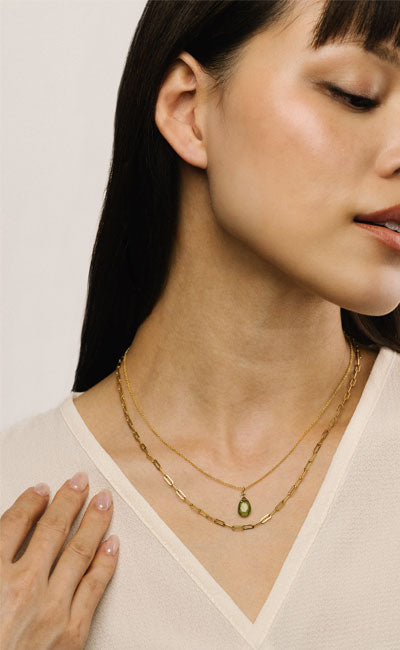
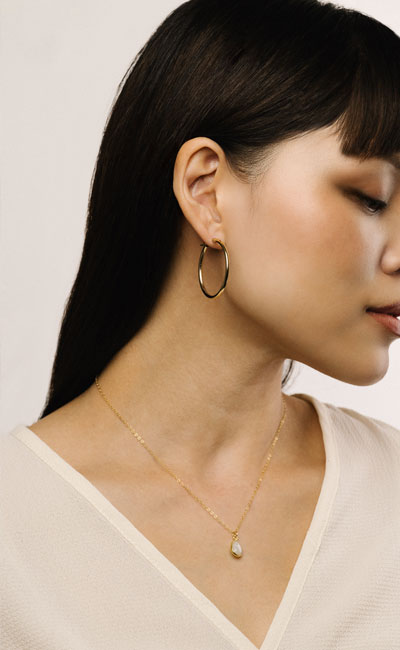
Modern birthstone jewelry tends to be simpler and more understated than traditional designs.
Rather than large, formal stones, many people choose:
- Small pendants
- Delicate accents
- Minimalist settings
This allows birthstone jewelry to be worn every day, layered with other pieces, or kept close without feeling symbolic or ceremonial.
Birthstones and Color Choice
In addition to traditional gemstones, many people choose to represent their birth month through color.
This might mean selecting:
- A stone in the traditional birthstone color
- A lighter or more subtle version of that hue
- A cubic zirconia or alternative stone in a birthstone-inspired shade
Color-based birthstone jewelry offers flexibility while still honoring the spirit of the month.
Birthstone Jewelry as a Gift
Birthstone jewelry is often chosen as a gift because it feels personal without being overly specific.
It can acknowledge:
- A birthday
- A milestone
- A connection
- A quiet moment of care
Because birthstones are tied to the individual rather than the occasion, they tend to feel timeless rather than seasonal.
Learn More: Jewelry Gift Ideas That Feel Personal
Birthstones for Yourself
Many people choose birthstone jewelry for themselves.
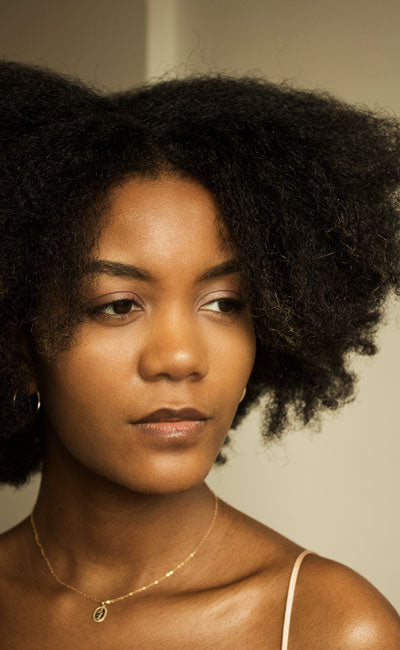
Worn daily, a birthstone necklace can become familiar rather than symbolic. Over time, it may come to represent steadiness, identity, or simply a piece that feels like it belongs.
Learn More: Is Jewelry a Good Gift for Yourself?
Choosing a Birthstone Necklace You’ll Actually Wear
When choosing birthstone jewelry, wearability matters.
Pieces that feel light, comfortable, and easy to style are more likely to become part of everyday life. This is why minimalist birthstone necklaces are often preferred over ornate designs.
Learn More: Minimal Pendant Necklace Guide
Choosing a Birthstone That Feels Right
Birthstones are not rules.
Many people choose to wear:
- The traditional gemstone
- A stone in the associated color
- A piece that simply feels familiar or meaningful
Over time, meaning often comes not from the stone itself, but from how often it is worn.
A Closing Thought
Birthstones are not meant to define identity. They are meant to accompany it.
Whether chosen by stone or by color, a birthstone becomes meaningful through presence, routine, and the quiet accumulation of moments. When worn often, it moves beyond tradition and becomes personal.